
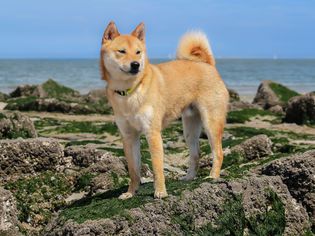
The shiba inu is a small, non-sporting dog breed from Japan that has a short but thick double coat and an overall fox-like appearance. Its ears are upright and triangular, and its bushy tail curls over its back. Shibas were bred for hunting and are still quite muscular and athletic. They also have a reputation for being independent and aloof at times. And they tend to groom themselves much like cats do.
Breed Overview
Group: Non-Sporting
Height: 13.5 to 15.5 inches (female), 14.5 to 16.5 inches (male)
Weight: 17 pounds (female), 23 pounds (male)
Coat: Short double coat
Coat Color: Black and tan, cream, red, red sesame with/without white markings
Life Span: 13 to 16 years
Temperament: Alert, independent, affectionate
Hypoallergenic: No
Origin: Japan
Characteristics of the Shiba Inu
The shiba inu overall tends to have a reserved personality but can be quite affectionate and attentive with its owner. High intelligence and some stubbornness are generally components of the breed’s temperament. The shiba can do well with other dogs and kids, especially when socialized from a young age.
| Affection Level | High |
| Friendliness | Medium |
| Kid-Friendly | Medium |
| Pet-Friendly | Medium |
| Exercise Needs | Medium |
| Playfulness | Medium |
| Energy Level | Medium |
| Trainability | Medium |
| Intelligence | High |
| Tendency to Bark | Medium |
| Amount of Shedding | Medium |
History of the Shiba Inu
The shiba inu can track its history all the way back to 300 BC in Japan. Hunters used the dog to help them flush out small game. In fact, "shiba" means brushwood in Japanese, and "inu" means dog—potentially referring to the dog’s ability to flush animals out of the brush. Another possibility is brushwood was in reference to the reddish color of the shiba’s coat.
During the 1800s, many foreign dog breeds made their way to Japan. By the early 1900s, there were almost no purebred shibas due to mixes with these foreign breeds. Breeders started to work to preserve the breed. But World War II derailed those efforts, and the shiba inu almost became extinct.
Three bloodlines from different regions persisted, and today’s shiba inu is a combination of those. By the mid-1900s, the shiba inu had made its way to the United States. The American Kennel Club first recognized the breed in 1992.
Shiba Inu Care
This breed has a moderate energy level and needs daily exercise and mental stimulation. Regular grooming, as well as consistent training and socialization, are a must for a happy, healthy, well-adjusted dog.
Exercise
The shiba inu should get at least an hour of exercise per day via walks, hikes, jogging, playtime, and more. Plus, puzzle toys and dog sports are a great way to engage your dog mentally as well as physically. A bored shiba that doesn’t receive adequate exercise and mental stimulation might develop problem behaviors, such as excessive chewing.
When taking your shiba outdoors, always keep it on a leash or in a securely fenced area. This breed specifically has difficulty with recall training and might run off when given the chance—especially if it sees a small animal it wants to hunt.
Grooming
Grooming is relatively straightforward for the shiba inu. Plan to brush weekly to remove loose fur and prevent tangles and mats. Expect periods of higher shedding seasonally, during which you’ll have to brush more frequently to keep up with all the loose fur.
The shiba’s coat stays fairly clean. Plan on a bath roughly every month, depending on how dirty your dog gets. And be sure to look in its ears weekly to see whether they need cleaning. Also, check whether your dog’s nails are due for a trim around once a month. Aim to brush its teeth every day.
Training
When it comes to training a shiba inu, you might need more persistence and patience than the average dog breed. These dogs can be quite strong-willed and stubborn, engaging in training sessions only when they want. Aim to start training from a young age to prevent bad habits from forming. Always use positive reinforcement methods, such as treats and praise, to help keep your dog’s attention.
One aspect of training that often comes easily for a shiba inu is housebreaking. From a young age, these dogs don’t like making a mess in their indoor space and thus appreciate being let outside to relieve themselves.
For socialization, aim to expose your shiba to different people, other dogs, and various locations from a young age. This will help to boost its comfort and quell some of its standoffish nature. Still, many shibas tend to be wary of strangers, though they typically aren’t excessive barkers.
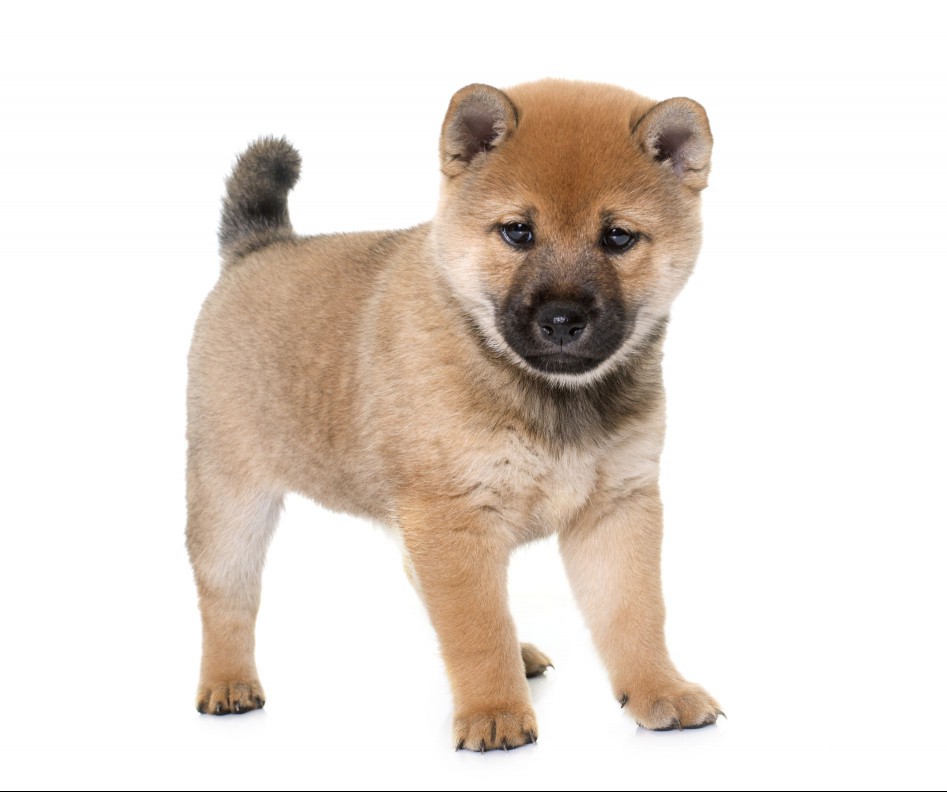
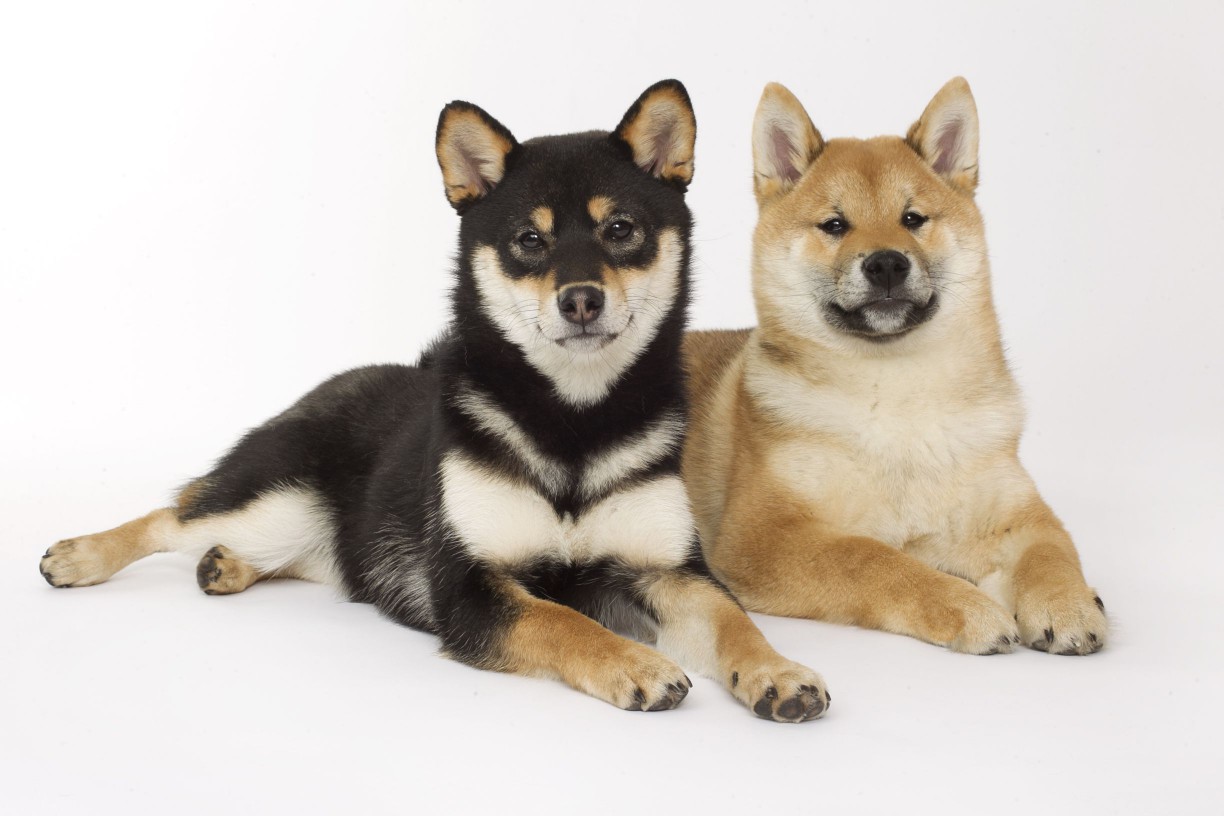
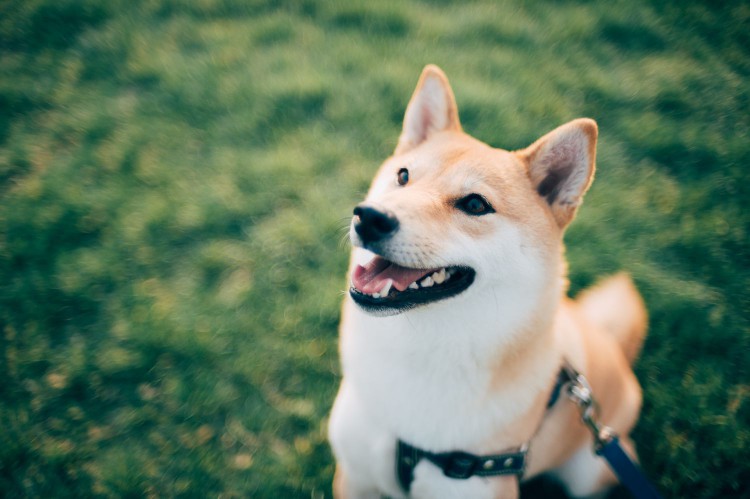
Common Health Problems
The shiba inu has a long lifespan for a dog breed, and it’s generally healthy. But it is prone to some hereditary health conditions, including:
- Luxating patella
- Hip dysplasia
- Allergies
- Eye problems
Diet and Nutrition
Always have fresh water available for your shiba inu. Feed a quality, nutritionally balanced canine diet. It’s common to feed two measured meals per day. Make sure to discuss both the quantity and type of food with your vet to verify that you’re meeting your dog’s individual needs. Some shiba inus can be particular about the type of food they eat, potentially requiring you to try a variety of dog foods. But others will eat anything. Always monitor treats and other extra food to ensure that you’re not overfeeding your dog.
Where to Adopt or Buy a Shiba Inu
The shiba inu is a moderately popular dog breed. As such, if you’re looking for one, it’s worth checking local animal shelters and rescue groups for a dog in need of a home. Ask to get on breed wait lists if possible. If you’re looking for a puppy from a reputable breeder, expect to pay around $1,500 to $3,500, though this can vary widely depending on bloodline and other factors.
For further information to help connect you with a shiba inu, check out:
- National Shiba Inu Club of America
- Shiba Inu Rescue Association
Shiba Inu Overview
Long lifespan
Not prone to excessive barking
Easily housebroken
Can be aloof
Prone to allergies
Generally poor recall when loose
More Dog Breeds and Further Research
As with any breed, make sure to thoroughly research the shiba inu before bringing one home to verify that it’s suitable for your lifestyle. Talk to breed owners, rescue groups, quality breeders, and vets. Try to spend some time around the breed, too, if possible.
If you're interested in similar breeds, check out:
- Akita
- Japanese spitz
- Chow chow
There’s a whole world of potential dog breeds out there—with a little research, you can find the right one to bring home!
- Are shiba inus good family dogs?
The shiba inu is moderately tolerant of children. Well-trained and socialized shibas can be good for families with respectful older children. But exuberant young kids might be too much for this reserved dog.
Are shiba inus aggressive?Shiba inus with proper training and socialization might be reserved around people and other animals, but that usually doesn't translate to aggression. However, some shibas can be very territorial and will require extra training to prevent them from protecting what they perceive as theirs.
Are shiba inus good apartment dogs?The shiba inu can make a good apartment dog, as long as it receives enough exercise and mental stimulation each day. It's generally a quiet and clean dog, and it doesn't require a great deal of space.
Related Article
 Finance
4 Theories on Why Consumers Buy That Marketers Need to Know
Retailers have invested billions of dollars into understanding what makes customers tick. It often
FinanceA Guide to the Different Types of Personal Loans
According to a survey, a total of 131 million Americans reported having taken out a personal loan
BankingDecoded: Understanding ULIPs and Their Financial Benefits
#ez-toc-container {background:#f9f9f9;border:1px solid #aaa;border-radius:4px;-webkit-box-shadow:0 1
FinanceStrategic Wealth Building with Tax-Saving Investments
Smart financial management includes leveraging tax-advantaged investments. When you strategically
Loan7 Tips for saving money during high school
#ez-toc-container {background:#f9f9f9;border:1px solid #aaa;border-radius:4px;-webkit-box-shadow:0 1
LoanBenefits of using Buy Now, Pay Later for consumers
The desire for the latest gadgets, stylish fashion, and cutting-edge home appliances is a universa
LoanKey Highlights of the Union Budget 2025: What You Need to Know
The Union Budget of India is one of the most eagerly awaited events in the country’s financial c
LoanSimplify Your Finances with an Income Tax Calculator
Managing finances can sometimes feel like a puzzle, especially when it comes to taxes. You want to
About SmartTrade Way
We are a premier digital platform committed to delivering high-quality content to our readers. Our mission is to provide accurate, reliable, and engaging information that adds value to our audience's daily lives.
Our team consists of experienced content creators and subject matter experts who uphold the highest standards of professionalism. In an era of information overload, we curate content with care, ensuring our users receive only the most relevant and trustworthy information.
Beyond just reporting facts, we focus on depth and context. Through expert analysis, comprehensive research, and clear presentation, we help our audience gain meaningful insights and make informed decisions.
We take pride in being a trusted information source for our growing community of readers. Our user-first approach means we continuously adapt to provide content that meets our audience's evolving needs and interests.
Innovation and excellence drive everything we do. We're committed to improving our platform and services to deliver the best possible experience for our users.







Comments on " Shiba Inu: Dog Breed Characteristics & Care" :